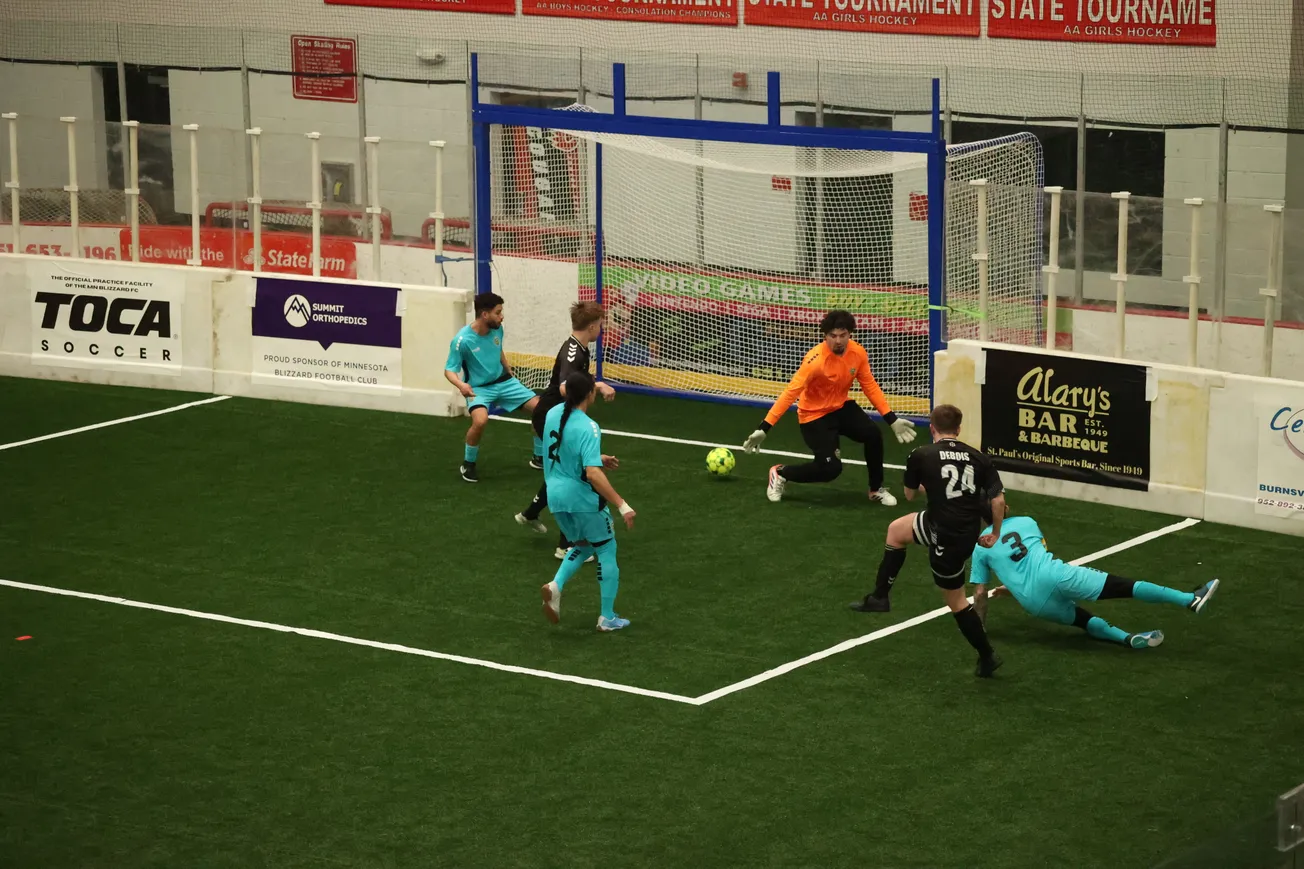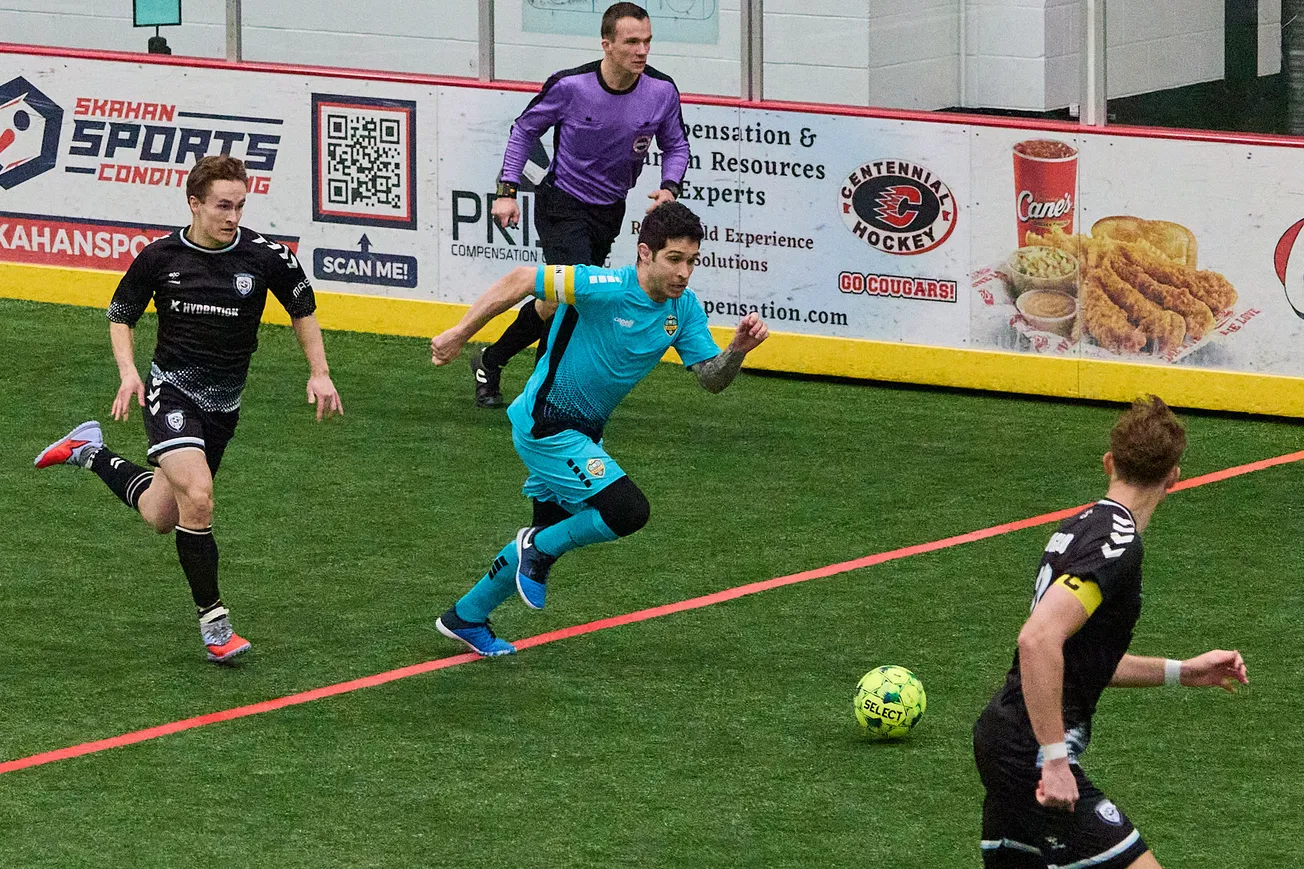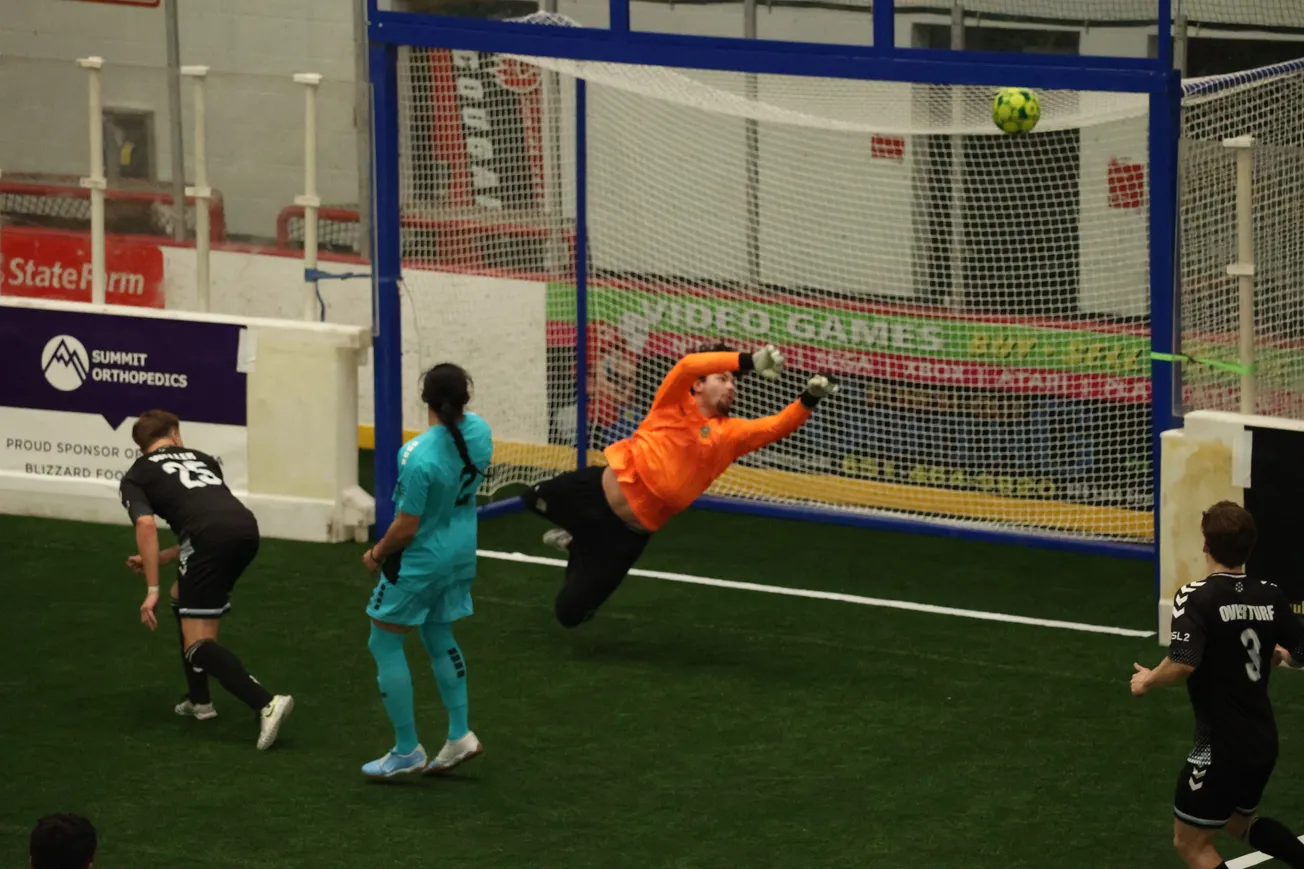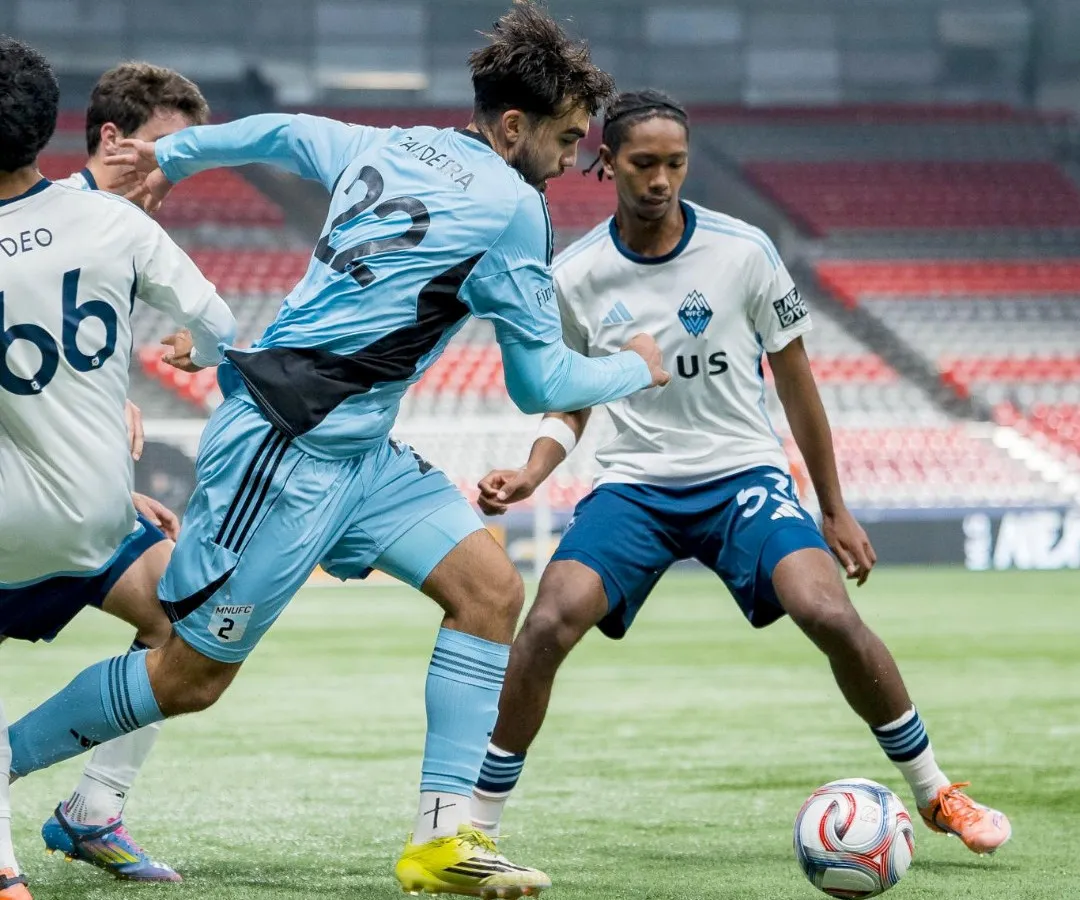

There are two sides to Minnesota Blizzard FC under the ownership of long-time Lakeville soccer figure Chad Hendricks. On the one hand, there is the amateur outdoor side, which plays in the NPSL North during the Summer, and its reserve team in the Minnesota Amateur Soccer League (which won promotion to D2 of that league this past season).
On the other hand, our seemingly interminable Winters lend themselves to indoor soccer. Thus, Hendricks operates a Blizzard squad in the development tier of a different MASL - the Major Arena Soccer League. The league operates a 3-2-1-0 points system, with three points for a regulation win, two for an overtime win, one for an overtime loss and zero for a regulation loss.
The Blizzard is the MASL2 affiliate of the MASL Kansas City Comets, a phoenix club of a franchise founded in 1979 and which folded in 1991. The current Comets have been in existence since 2010 and play in the largest suburb on the Missouri side of the KC metro, Independence, at the 5,800-seater Cable Dahmer Arena.
Squads have a maximum of 26 players. 16 may dress in any game day and must have at least 12 available, including 2 goalkeepers. Such mandatory minimums are a lesson that I feel the Summer leagues could learn from. Up to five players can sign a dual contract with both their MASL and affiliated MASL 2 teams at the beginning of the MASL season. Two of those five players will be considered their MASL/MASL 2 Designated Players (DP). These two Designated Players (DP) will be allowed to play with either their MASL or affiliated MASL 2 team for an unlimited number of games throughout the regular MASL/MASL 2 season and/or playoffs. When players are "called up" to the Comets from the Blizzard 5, the lower-league team gets compensation. Any other players may also be loaned or, for a fee, transferred to a MASL squad. In this manner, indoor players are truer to the true semi-professional model used in the lower leagues of European pyramids, for example.
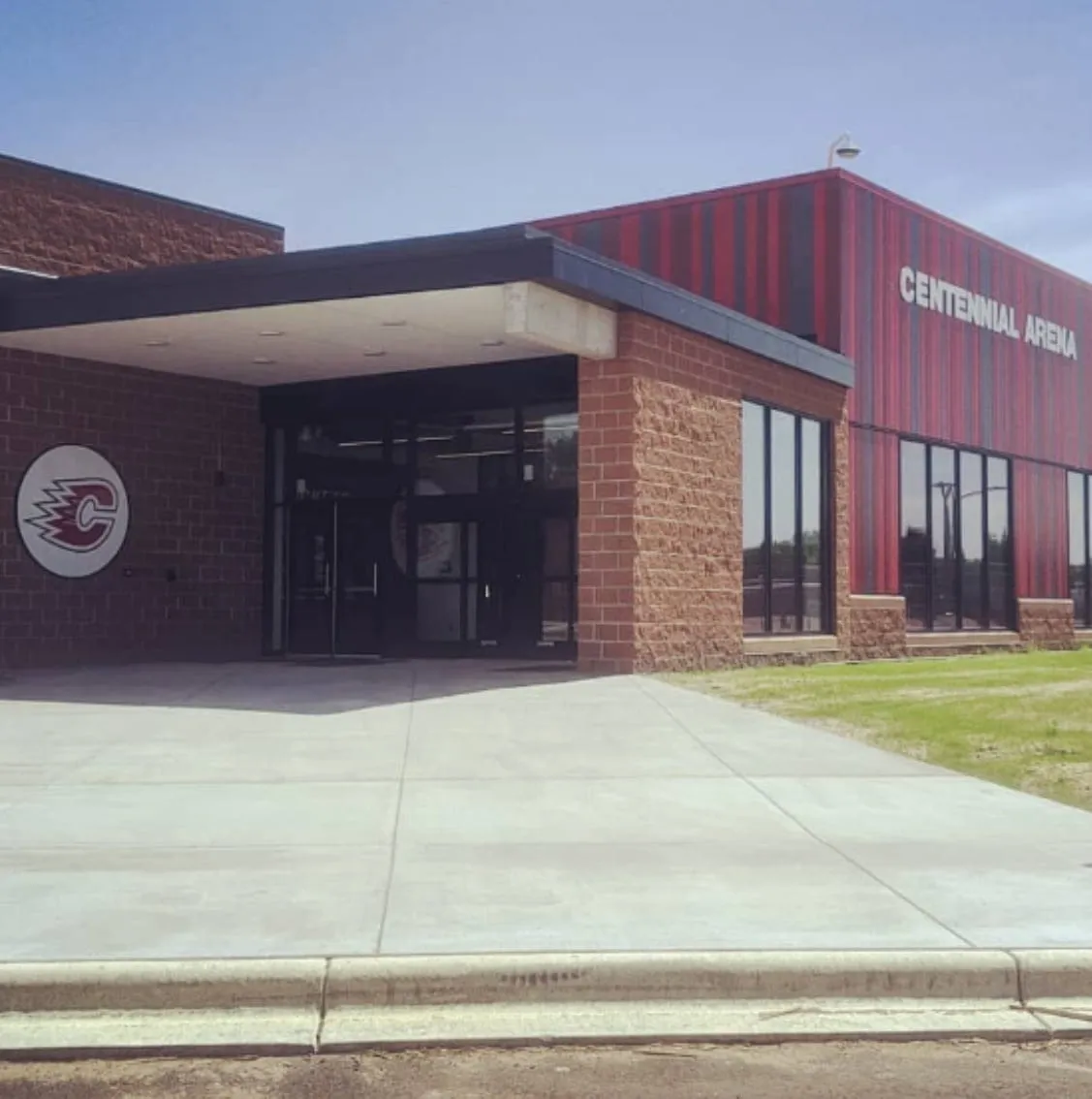
Blizzard's home matches are being played at the 1200-seater Centennial Sports Arena in suburban Circle Pines, MN. In contrast, their regular home, Warner Coliseum on the Minnesota State Fairgrounds in Falcon Heights, MN, is renovated. Centennial was the Twin Cities metro's first Olympic-sized hockey sheet when it opened in 1992. In contrast, the Coliseum seats 5,000 and is the main indoor venue for the Fair.
The play is on an artificial turf carpet about 3 times smaller than an outdoor pitch, with 4-6 players on each side (one of whom is the goalie). Like WPSL and college soccer, player substitutions are unlimited. Games are broken into 4 quarters of 15 minutes each, and, aside from the timing, the biggest rule difference from my usual outdoor soccer is that the ball is considered 'in play' as long as it hasn't gone over the wall or plexiglass. That said, goalkeepers cannot just launch the ball into the opposing goal; since the final third is marked by a yellow line and you cannot cross all three zones in the air without another player making contact. Handball remains illegal, and most contact rules are the same as those in outdoor soccer. Two-footed lunges, contact above the shoulder, and boarding are punishable by a hockey-style power play. The indoor game uses a blue card to signal a two-minute power play. Yellow cards are issued for 5 minutes, but another player can replace the cautioned player. A red card is an ejection and a two-minute power play, after which the penalized side can replace the ejected player. After six fouls, a player fouls out. Video Review is available for refereeing errors and coaches' challenges.
We will be providing subscribers to our Blue tier and above with updates from the Blizzard's indoor season. Click on the "subscribe" button for information on how to sign up.